Retatrutide Dosage: A Comprehensive Guide
Wiki Article
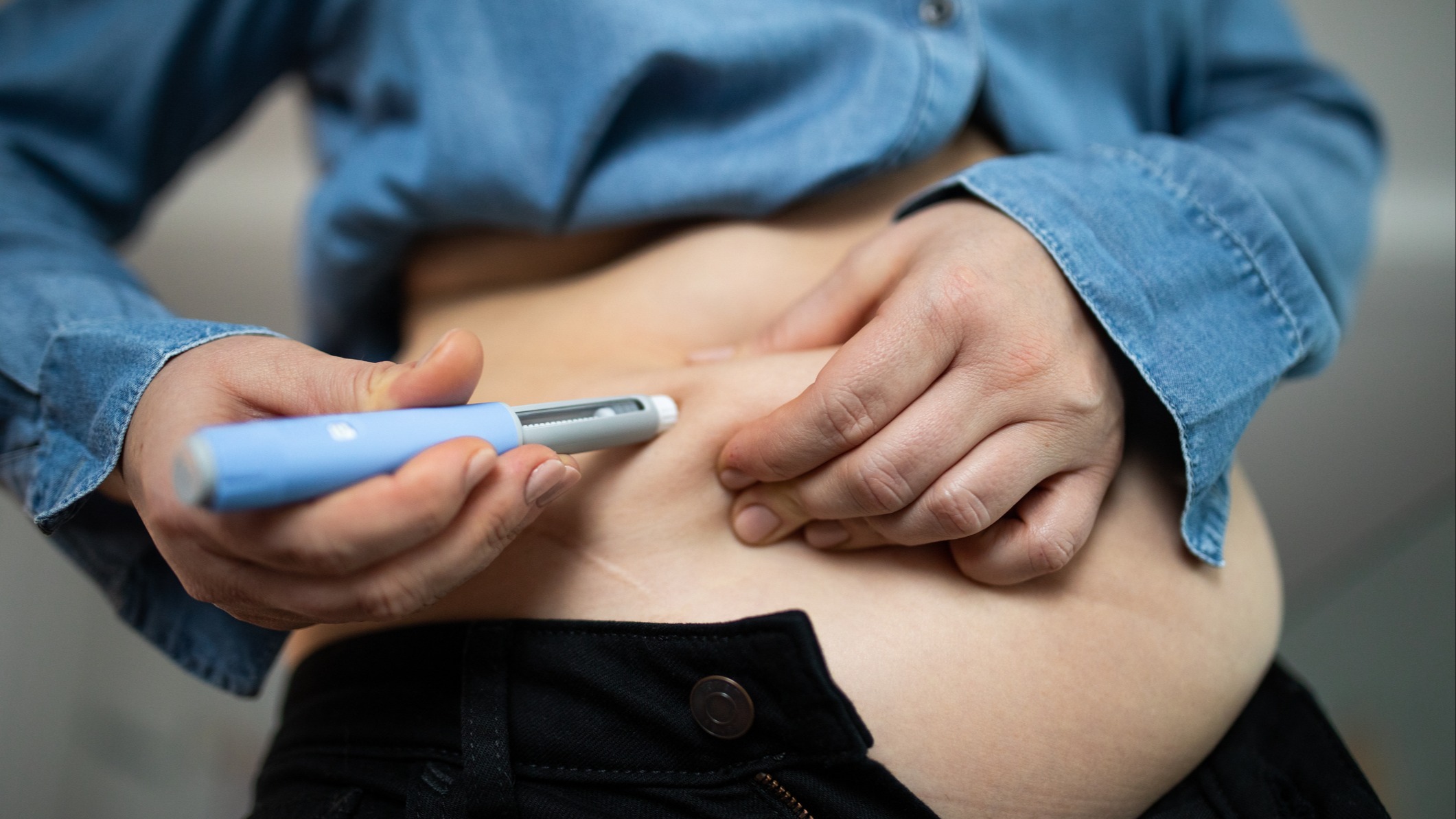
Understanding the recommended Retatrutide dosage is vitally important for maximizing desired results . To start, individuals typically begin with a administration of 0.6 mg via injection, given once seven-day period. Subsequently , a amount may be raised to 1.0 mg subcutaneously depending on patient reaction and acceptance with that treatment. Your practitioners will carefully monitor your advancement and do required adjustments to this regimen . Always exceed a recommended dose without speaking with a doctor’s provider .
Understanding Retatrutide Dosing Schedules
To appropriately manage your weight with Retatrutide dosing chart Retatrutide, understanding the recommended dosing plan is vital . Initially, most individuals commence with a introductory dose, typically around 2.4 mg, once seven days . This initial phase allows for gauging of reaction and possible side effects . The dose is then steadily escalated based on individual reaction and medical direction . Maintenance amounts often range between 6.0 mg and 10 mg each week, but this changes significantly depending on the patient's circumstances and treatment aims. Always comply with your healthcare instructions closely regarding dosage adjustments and monitoring your results.
Retatrutide Dosage Chart: What You Need to Know
Understanding suggested regimen of Retatrutide is very important for achieving desired outcomes . Currently, the recommended starting dose is two point four milligrams once each day, given via subcutaneous subq . The doctor may then increase the amount gradually, up to four point five milligrams once each day, based on your body's reaction and reduction in weight progress. It is vital to adhere to the physician's instructions and refrain from self-adjusting the medication without professional guidance . Check the label for complete details and ask about adverse reactions with your healthcare team.
Adjusting Your Retatrutide Dose for Greatest Outcomes
Achieving the highest potential of your Retatrutide requires thoughtful dose optimization. Your medical expert will originally prescribe a particular dosage based on your personal medical profile and bulk. However, observing your reaction to the injection – including body slimming, blood glucose management, and negative impacts – is important. Frequent follow-ups with your practitioner allow for possible dose adjustments to make sure you're administering the appropriate amount to maximize impact and lower any potential risks.
Consider these factors for a personalized approach:
- Initial bulk and body situation
- Reaction to the treatment, for example fat reduction
- Sugar Level stabilization
- Adverse reactions observed
{Retatrutide | This treatment Dose Adjustments : A Doctor's Opinion
As a clinician, I frequently encounter patients needing retatrutide dose adjustments . Initial recommendations typically start at a minimal dose, but it's critical to tailor the therapy based on response and adverse reactions. We carefully monitor blood sugar , weight loss , and any unexpected effects. Frequently, escalating the dose slowly allows for optimal efficacy while reducing possible side effects. Conversely, lowering the dose might be necessary if troublesome reactions become problematic. Patient dialogue is fundamental throughout this process .
Retatrutide Dosage Information: Effectiveness and Efficacy
Determining the correct measurement of Retatrutide is essential for ensuring well-being and results. The recommended starting dose is typically around 3.0 mg, provided singly every seven days, subcutaneously . This could be increased by the healthcare professional to 5.0 mg per week based on patient's response and ability to handle. Clinical studies have demonstrated noticeable weight decrease and gains in glucose control at these levels . It's absolutely crucial that patients strictly comply with their doctor's instructions and inform any unwanted effects .
- Initial Dosage: Typically 3.0 mg per week
- Potential Dosage Increase: Up to 5.0 mg per week
- Delivery Method: Under the skin